

3 services
Interior Finish Remodeling in the north metro
Trim, millwork and lighting, which is where fast jobs give themselves away.
How we approach it
Finish carpentry is the part of a remodel everyone sees and nobody can name. Coped corners, consistent reveals, joints that stay closed through a seasonal cycle.
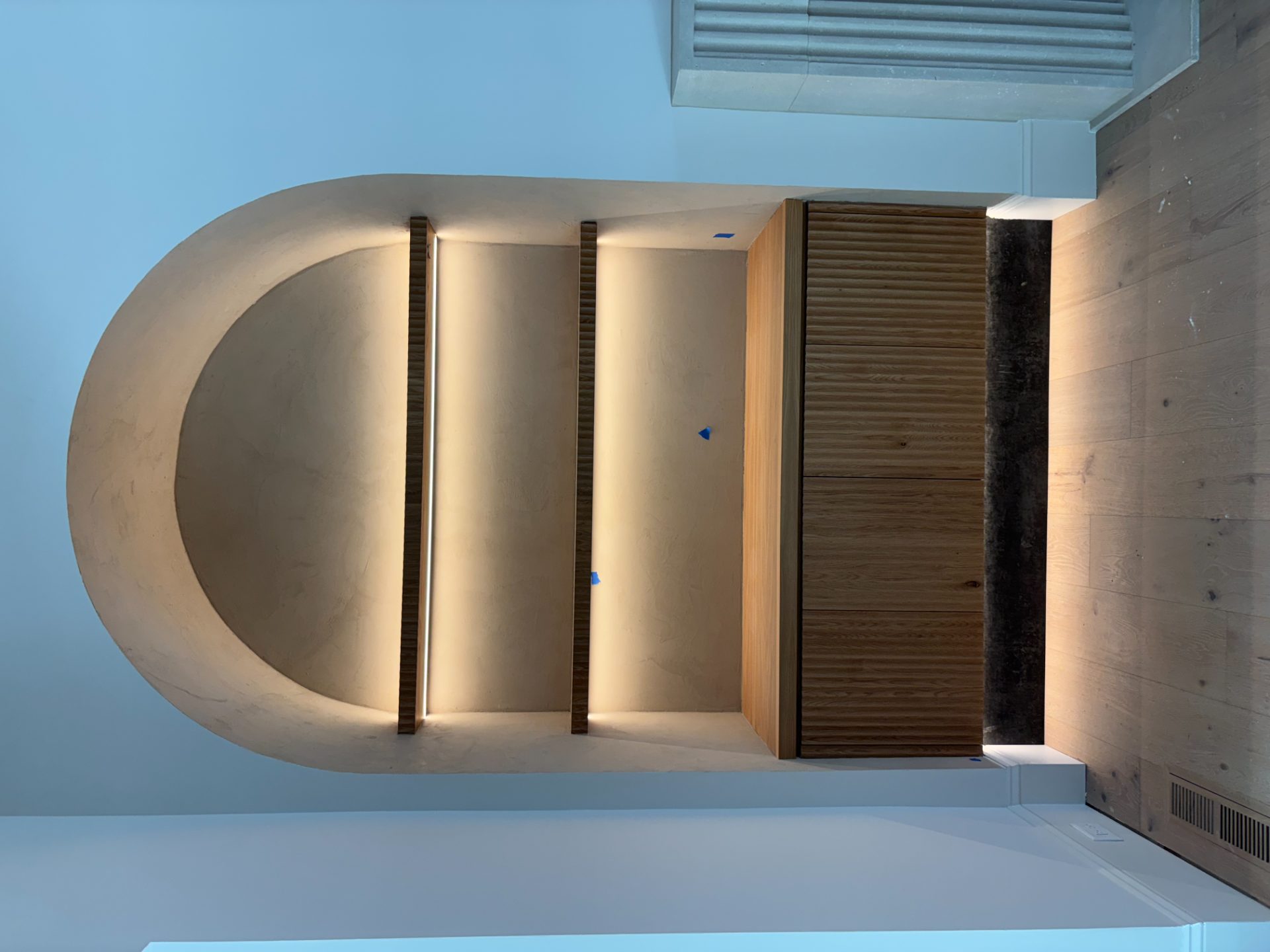
It is also the last ten percent of a job, which is exactly when a crew that is behind schedule starts hurrying. That is why so many otherwise decent remodels give themselves away at the trim.
Everything under interior
Each of these is its own page with the detail that matters.
What we check before we start
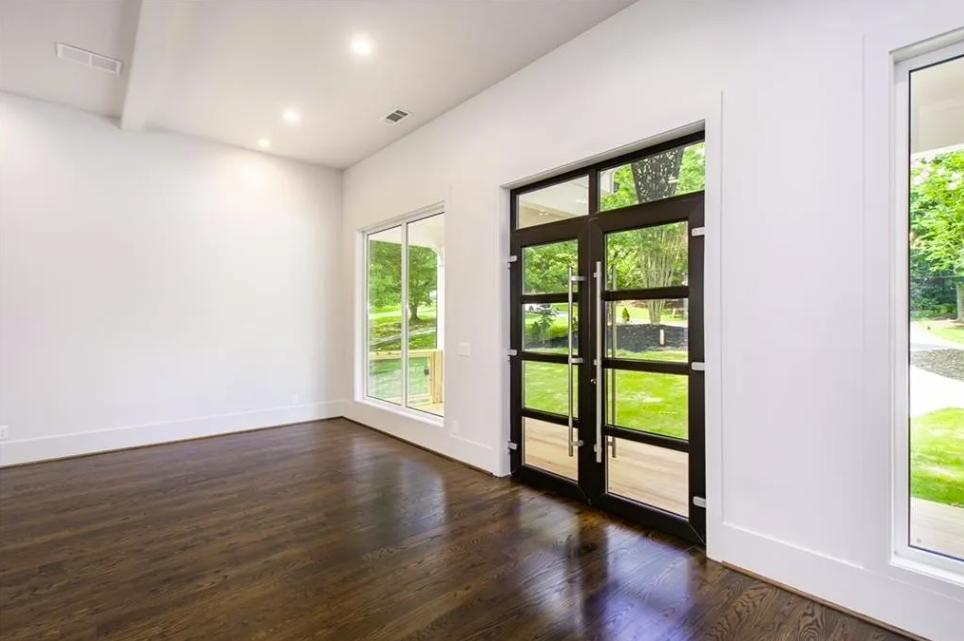
Inside corners get coped, not mitered. A mitered inside corner opens as the house moves and leaves a visible line; a coped joint stays tight because one piece is shaped to the profile of the other.
That is the pattern across this whole category. The visible work is the easy part; the question is always what it is going on top of, and whether anyone looked.
What goes wrong in interior work
Every one of these is something we have been called in to fix after somebody else did the job. They are the reason the sequence above matters.
Trim Installation
Mitered inside corners. They look fine on install day and open within a year of seasonal movement.
Trim Replacement
Close-enough stock trim next to an original profile. The eye picks up the difference immediately even when people cannot say why.
Lighting Installation
Adding load to a panel already at capacity. It works until the day everything is on at once.
How a job actually runs
First visit
Igor walks the space, asks what you actually use the room for, and gives you a straight answer about scope. Some jobs are smaller than people fear. Some are bigger. You get the real version either way.
Opening it up
The moment demo starts, the house tells you what it has been hiding. We document what we find, explain what it means for the job, and fix it properly rather than working around it.
Finishing it right
The last ten percent is where most remodels fall apart. Trim that does not quite meet, caulk lines that wander, a door that never closes square. That part gets the same attention as the framing.

Where the money actually goes
Some contractors dodge the cost conversation. We have it openly at the walkthrough, with the reasons behind each part of the number. What we avoid is pricing over the phone, sight unseen.
The largest variable is almost always whether things move. Keeping the layout keeps the mechanical work small. Changing it means drains, vents, circuits and often framing.
The other big unknown is what sits behind the finishes. We check as much of it as we can before the quote, so fewer of those findings arrive as surprises later.
Permits and inspections
Structural changes, additions, most electrical and plumbing moves, decks and roofs all get permitted where the jurisdiction requires it. We pull them and we meet the inspectors.
Requirements vary across the six counties we work in, sometimes noticeably. What needs a permit in one jurisdiction may not in the next, and setback and zoning rules differ enough to change what is buildable on a given lot.
Unpermitted work causes problems at resale and at insurance claim time. It is not worth the saving, and a project that a contractor wants to keep off the books is telling you something.

Specifying the job
Ask most people what went into their new bathroom and they will name the tile. Ask what is under it and they will not know. That hidden layer is the part that decides whether the room still holds up a decade from now.
So we specify the hidden layers to a standard and let the visible layers follow your budget. That is not a sales position, it is just where the risk actually sits.
If you have already bought materials, bring us in before installation rather than after. Some products are much harder to install well than others and it is better to know in advance.
What the schedule actually looks like
We give you a real schedule after the walkthrough, and we tell you when it moves. Most schedule slippage in remodeling comes from two places: material lead times and things found during demolition.
Lead times we manage by ordering early. Cabinets, windows, specialty tile and anything custom gets ordered before demolition where the sequence allows, so you are not living in a half-finished room waiting on a delivery.
Discovery we manage by budgeting time for it. On any house over about twenty years old, something turns up. Planning as though nothing will is how projects end up months late with everyone frustrated.
Where this is
Questions people ask
Why does trim work cost what it does?
Because it is the part where a fast job and a careful one look completely different. Coped inside corners, tight returns and joints that stay closed take time.
Can you match existing trim in an older house?
Usually. Older profiles often have to be milled to match, which we will flag at the walkthrough so it is in the schedule rather than a surprise.
Do you handle lighting as part of a remodel?
Yes, including moving cans, adding switching and running new circuits where the panel allows it.
Will we be able to live in the house during the work?
For most single-room projects, yes. Full home remodels and larger additions are harder, and we will tell you honestly at the walkthrough whether staying is realistic.
How long does a project like this take?
Plan on a few weeks for one bathroom and months for a full home remodel. Inside those ranges, the calendar depends on how much is changing and what condition the house is in. You get a schedule from us after the walkthrough, and an update whenever it shifts.
What happens if you find something unexpected?
You get a call that same day, with photos. We explain what we found and how we want to handle it, and nothing gets covered up without your knowledge.
Thinking about interior work?
To book a walkthrough, call (678) 665-7771 or write to us through the contact page. Igor comes out himself, goes over what you have in mind, and tells you plainly what the job will take. We have stayed small on purpose, because a company that grows past what its owner can oversee is where quality starts slipping.