

12 services
Bathroom Remodeling in the north metro
Full baths, walk-in showers, tub conversions, accessible builds and the fixtures in between.
How we approach it
Bathrooms are the majority of what this shop does. They are small, they are wet, and they punish shortcuts on a delay long enough that whoever cut the corner is gone by the time it shows.
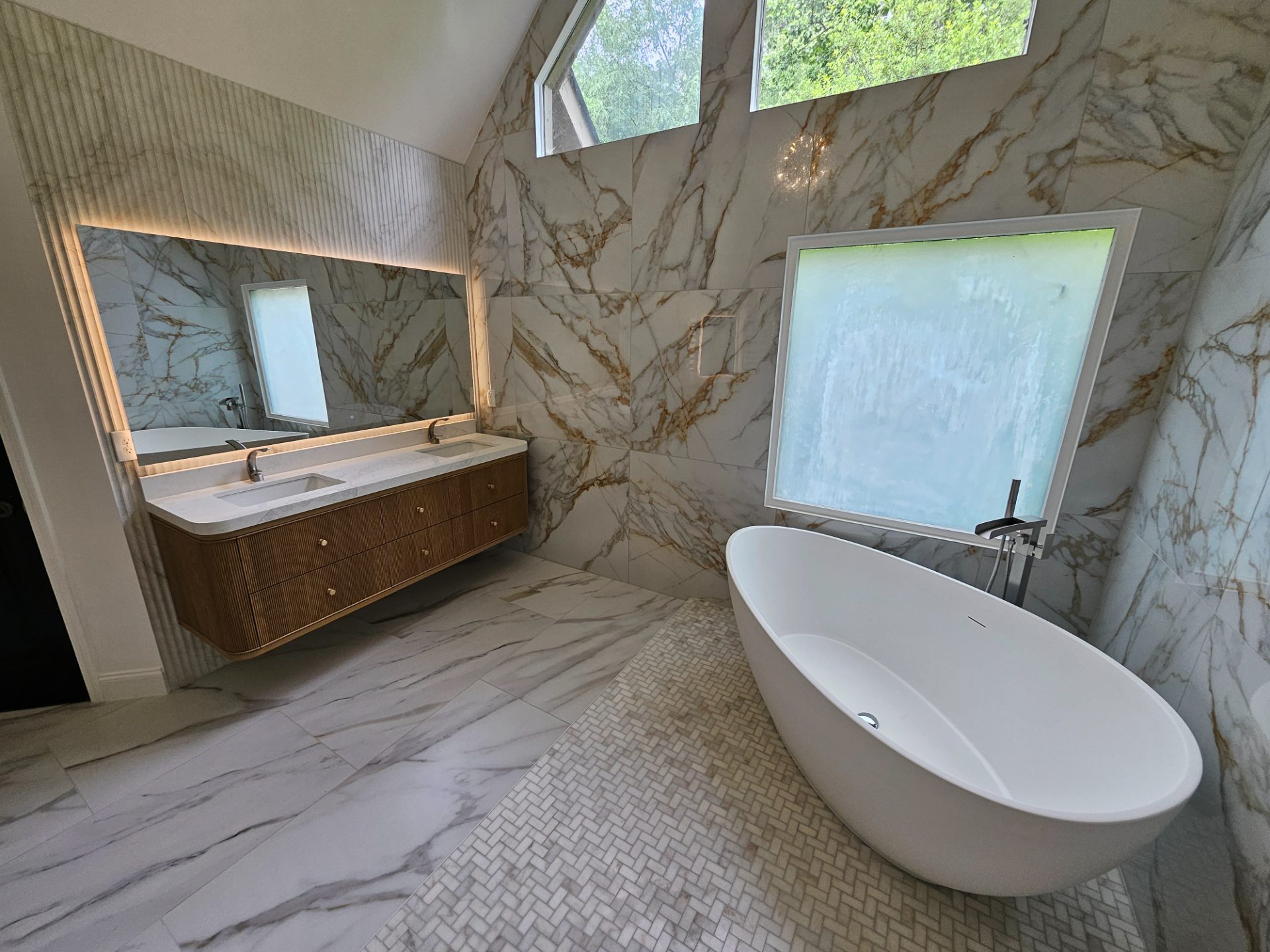
Everything in this category comes back to the same discipline: what the finish is sitting on. Waterproofing under the tile, blocking behind the wall, a floor that is sound at the flange. Get those right and a bathroom lasts decades.
Everything under bathroom
Each of these is its own page with the detail that matters.

What we check before we start
A full bathroom remodel means the room comes apart. Fixtures out, tile off, and usually the subfloor gets inspected around the toilet flange and the tub apron, because that is where thirty years of small leaks show up first.
That is the pattern across this whole category. The visible work is the easy part; the question is always what it is going on top of, and whether anyone looked.
What goes wrong in bathroom work
Every one of these is something we have been called in to fix after somebody else did the job. They are the reason the sequence above matters.
Bathroom Remodeling
Tile set straight onto greenboard with no membrane. It passes a walkthrough and fails in three years, and by then the subfloor is involved too.
Walk-In Showers
A pan that drains toward one corner instead of the drain. Standing water finds the weakest seam eventually.
Tub to Shower Conversions
Reusing the old tub drain location without checking the slope. The shower drains slowly from day one and it is not fixable without opening the floor again.
Bathtub Refinishing
Refinishing a tub that flexes underfoot. The tub is not properly supported and the new finish will crack along the same line the old one did.
Replacement Bathtubs
Setting a new tub without a mortar bed under it. It flexes, the caulk line opens, and water gets behind the surround.
How a job actually runs
First visit
Igor walks the space, asks what you actually use the room for, and gives you a straight answer about scope. Some jobs are smaller than people fear. Some are bigger. You get the real version either way.
Opening it up
The moment demo starts, the house tells you what it has been hiding. We document what we find, explain what it means for the job, and fix it properly rather than working around it.
Finishing it right
The last ten percent is where most remodels fall apart. Trim that does not quite meet, caulk lines that wander, a door that never closes square. That part gets the same attention as the framing.
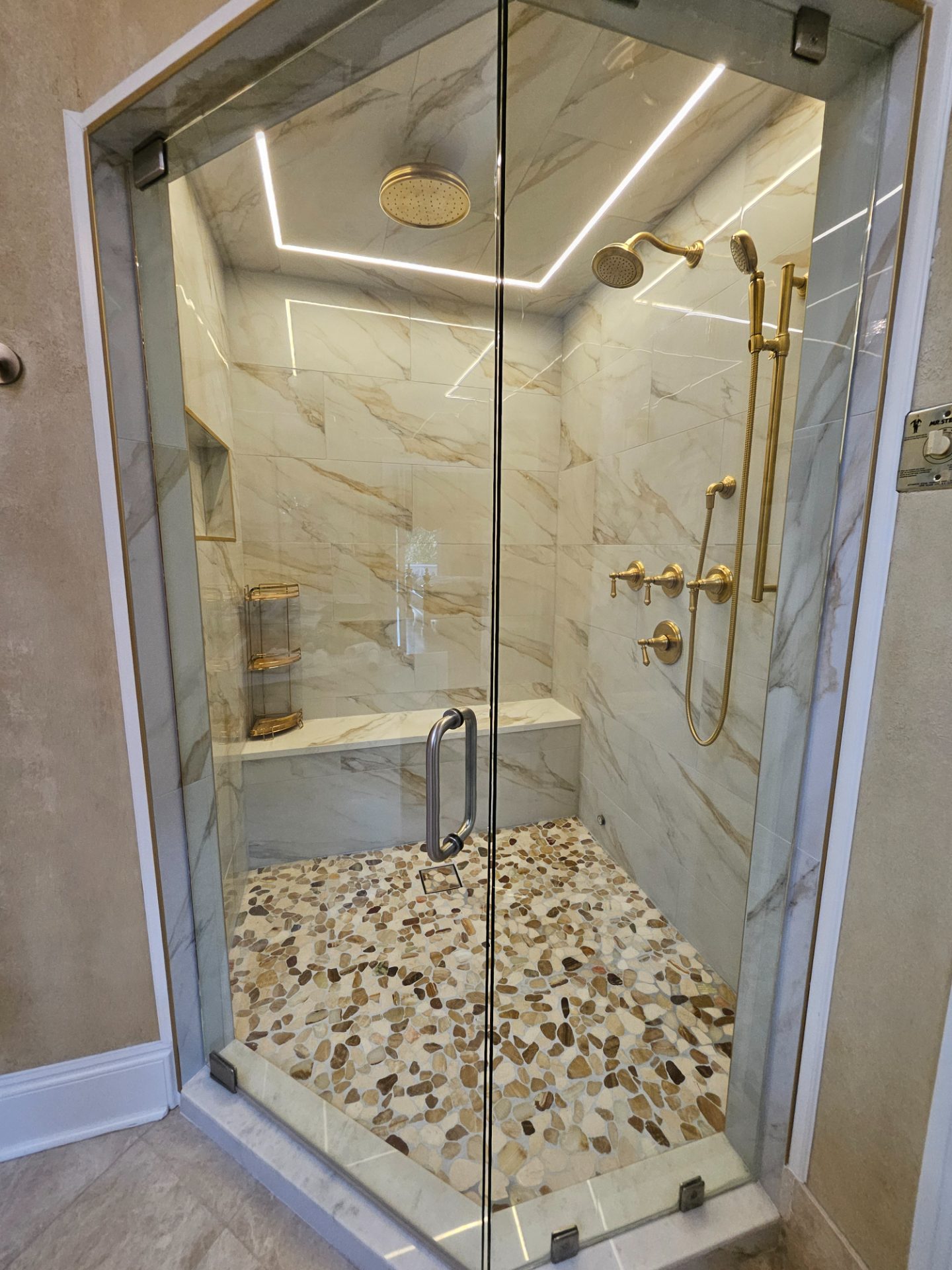
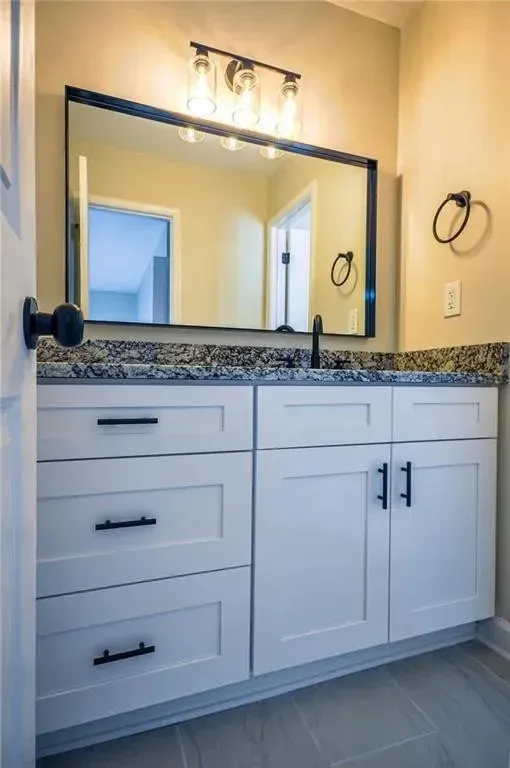
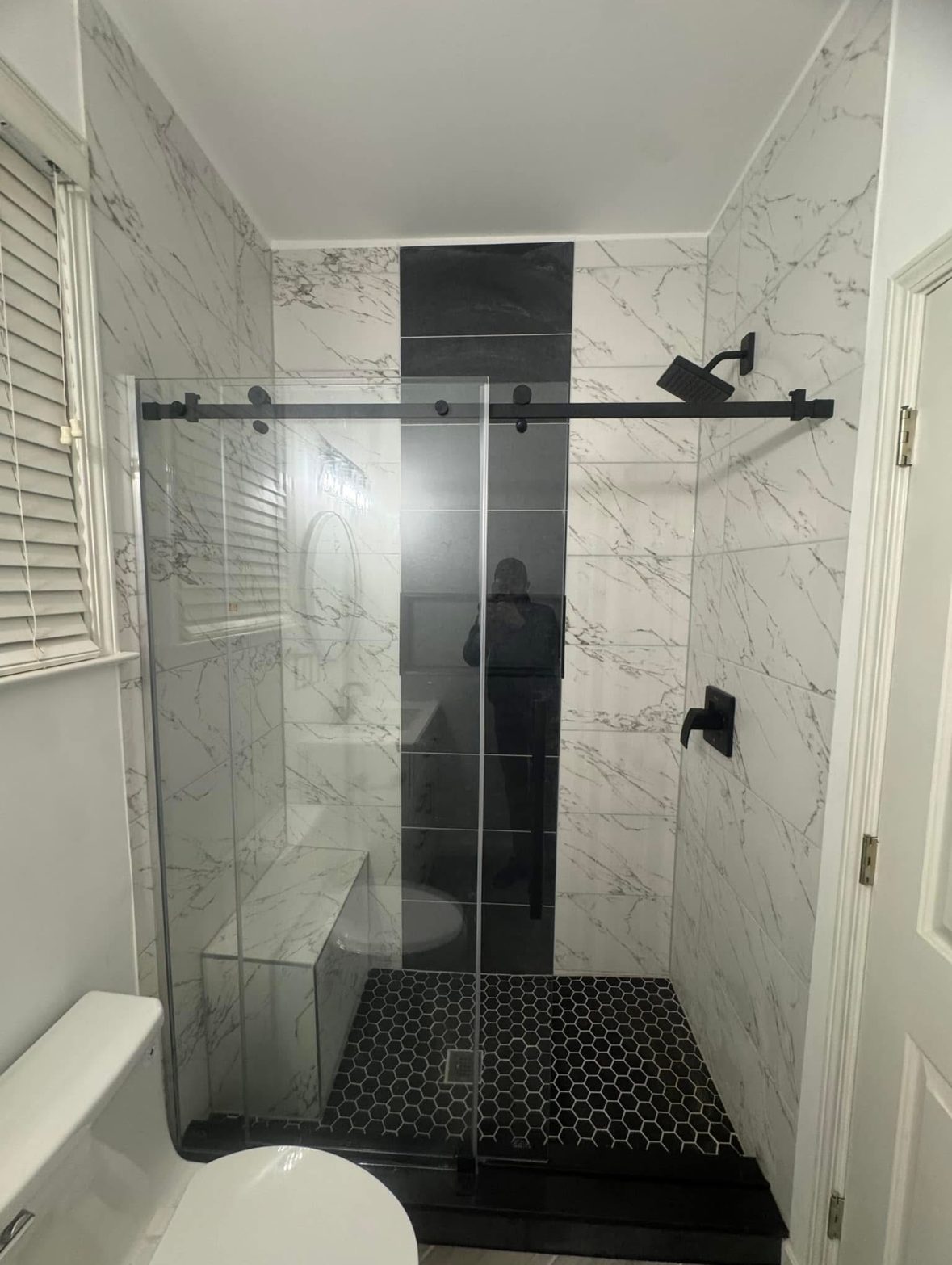

What moves the number on a job like this
Ask ten contractors for a ballpark over the phone and you will get ten guesses. We skip that and quote after the walkthrough. In the meantime, these are the factors that matter most, so you can start thinking about scope now.
Layout changes cost the most. Keeping fixtures in their current spots limits how much has to be opened up. Moving a drain line or running new wiring means cutting into floors, walls or ceilings and bringing more trades onto the job.
The condition of the house is next, and it outweighs product choices by a wide margin. If previous owners kept up with maintenance, the work goes faster. If they did not, the time goes into fixing what we find before the new work can start.
How we think about materials
There is a version of every product at three price points and the differences are not always where the marketing says. Some of it is genuine performance and some of it is finish options.
We split materials into two groups. Anything that ends up behind a wall, under a floor or below the waterline gets the better product, since replacing it later means demolishing the room. Faucets and hardware can be swapped any time, so those come down to taste.
That means we sometimes talk clients out of upgrades. If a mid-range fixture performs the same as the expensive one, we would rather that money went into the part of the job nobody sees.
What gets inspected
Anything structural, most mechanical work, and every addition. We pull the permits, schedule the inspections and are on site for them.
Contractors who work around permitting are avoiding scrutiny, and the scrutiny is the point. The details inspectors look hardest at are the ones that cause real failures.
It also protects you later. Unpermitted work surfaces at the worst possible moment, which is usually when you are selling or making a claim.
What the schedule actually looks like
We give you a real schedule after the walkthrough, and we tell you when it moves. Most schedule slippage in remodeling comes from two places: material lead times and things found during demolition.
Lead times we manage by ordering early. Cabinets, windows, specialty tile and anything custom gets ordered before demolition where the sequence allows, so you are not living in a half-finished room waiting on a delivery.
Discovery we manage by budgeting time for it. On any house over about twenty years old, something turns up. Planning as though nothing will is how projects end up months late with everyone frustrated.
Where this is
Questions people ask
Can you convert a tub to a walk-in shower?
Yes, and it is one of the more common requests we get. The work involves the drain, the waterproofing and usually some framing, which is why it matters who does it.
What goes wrong with bathroom remodels most often?
Waterproofing. Tile can look perfect over a substrate that was never sealed properly, and you find out two or three years later when the subfloor gives.
Do you do accessible showers?
We do. Curbless entries, grab bar blocking set into the framing, benches and handheld fixtures. It is worth doing the blocking even if you do not want bars yet.
How long does a project like this take?
Longer than the TV shows suggest, and shorter than most people fear once it is planned properly. A bathroom generally runs a few weeks. A whole-house remodel runs months. After Igor sees the space you get an actual schedule, and you hear from us the moment anything pushes it.
Will we be able to live in the house during the work?
Usually, if the work is limited to one room. Whole-house remodels and big additions are a different story, and Igor will give you a straight answer at the walkthrough about whether moving out makes sense.
Who is actually on site?
You will see the same faces from the first day to the last. Igor is there on the job himself, so the person who planned the work is the one checking it.
Thinking about bathroom work?
Call (678) 665-7771 or send a note through the contact page. Igor will come look at the space, talk through what you want, and give you a straight answer on scope. You will deal with the same people from the walkthrough through the final punch list. On a job this disruptive, that matters more than most people expect.