
Gwinnett County, GA
Berkeley Lake’s general contractor
Berkeley Lake is a small city built around its lake, with larger lots than most of Gwinnett.
The houses in Berkeley Lake
Older houses on wooded, sloping lots. Decks, porches and walkout basement space come up constantly, and drainage is a real factor on the lots that fall toward the water.

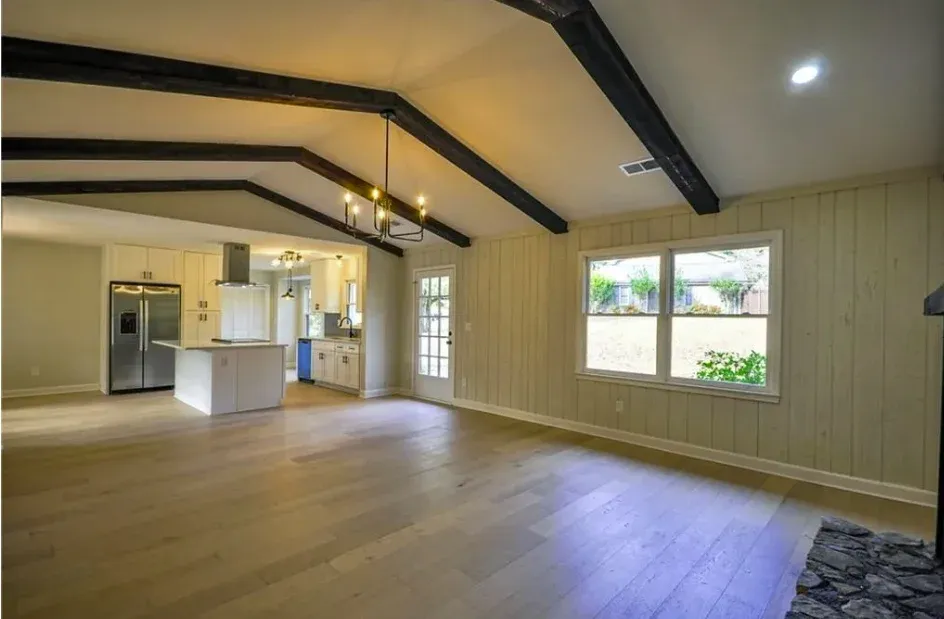
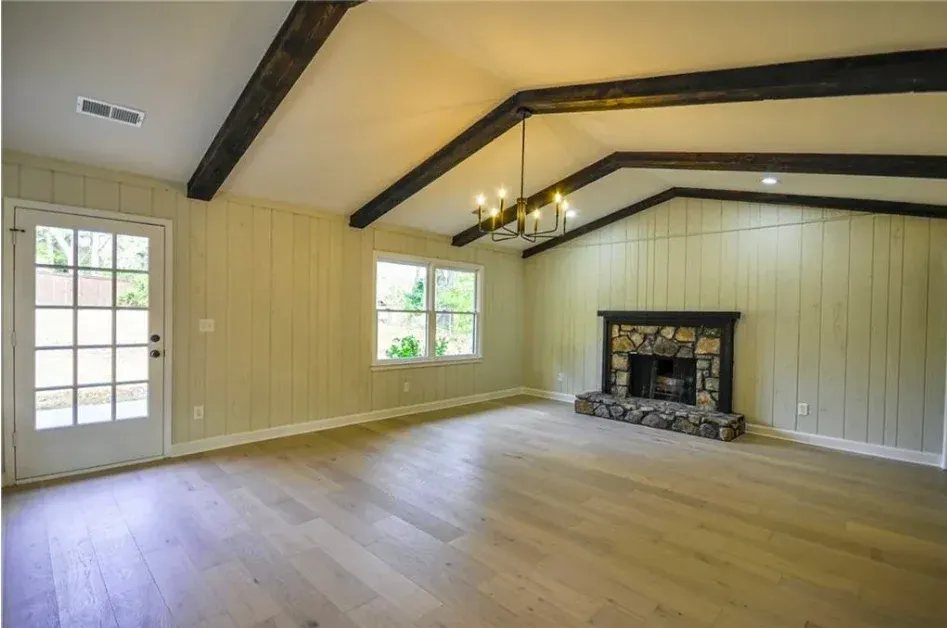
Gwinnett has some of the widest range in the metro, from seventies ranches to recent construction. The ranches in particular respond well to opening up a wall or two.
We are based in Roswell, which puts Berkeley Lake comfortably inside our working radius. Berkeley Lake sits in Gwinnett County, and the rest of that county is on the county page.
What we do in Berkeley Lake
Eight categories, forty-six services, all of it available here.
How we work
SSRGA exists because of something Igor Dubovoy watched happen. He had been in the trade twenty years, most recently at an outfit turning out roughly five hundred remodels a month, and quality slid as the volume climbed. In 2021 he left to build a smaller shop that could beat that operation on the work itself.
There is a ceiling on how many projects we take at once, and we hit it on purpose. Volume is what Igor left behind.
How a job actually runs
We walk the space with you
Igor comes out, looks at what is actually there, and talks through what you want. No sales pitch, no pressure to decide that day. You get a straight read on what the job involves and what it will take.
We open it up and deal with what we find
Demolition tells the truth about a house. Rot, bad framing, plumbing someone improvised in 1985. We show you what turns up and how we plan to handle it before we cover any of it back up.
We build it and keep you in the loop
You know who is coming and when. The site gets cleaned at the end of the day. If something changes, you hear it from us before you notice it yourself.
Also in Gwinnett County
Every city we cover is on the service areas page.
How scope drives cost
Two versions of the same project can differ enormously depending on choices that have nothing to do with what you can see at the end.
People tend to worry about countertop and tile prices. The decisions that really move cost are structural, like relocating a tub or taking out a wall.
We will lay out where those decision points are for your project, including where spending more genuinely buys you something and where it does not.


Seeing more of it
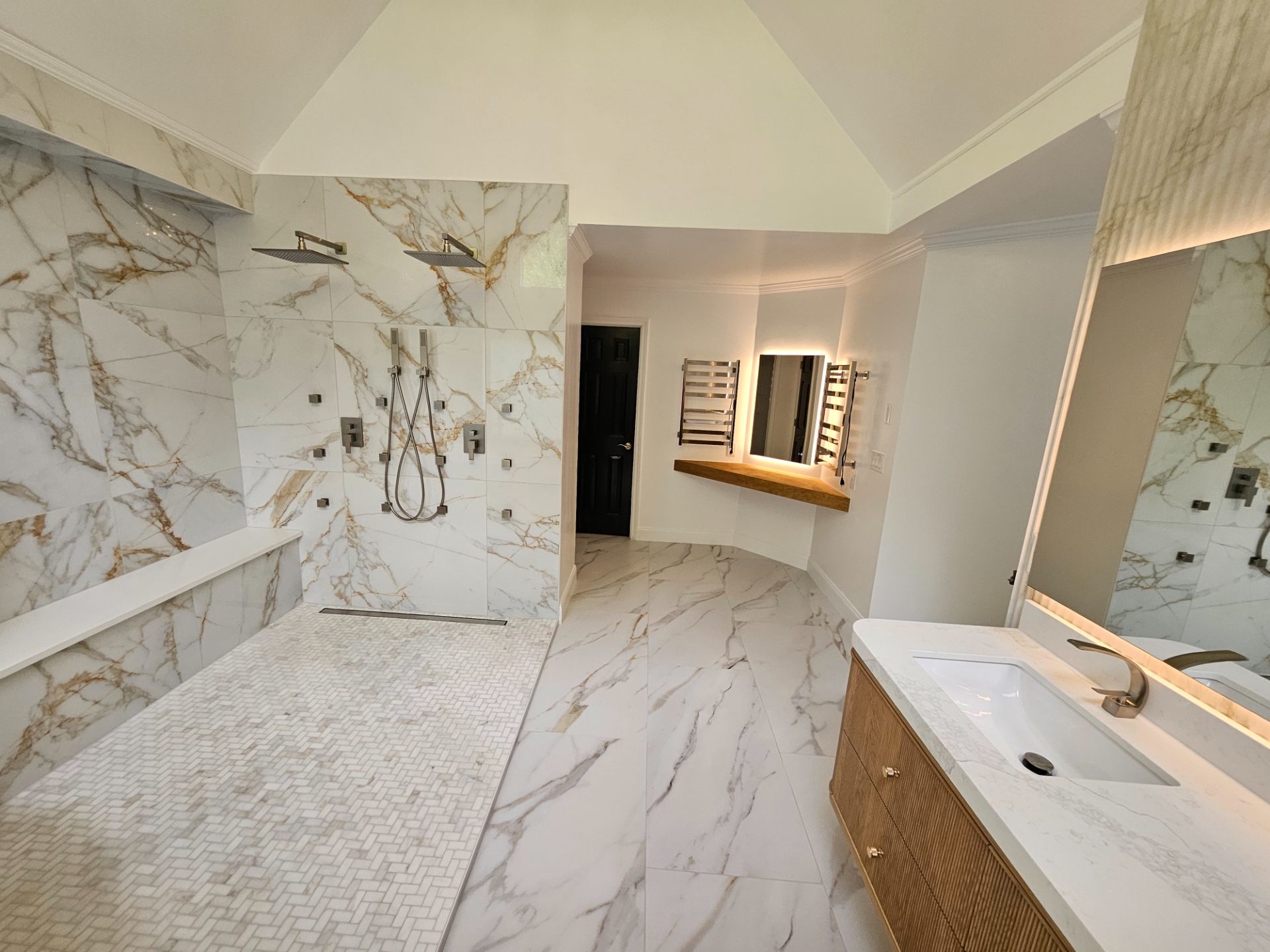
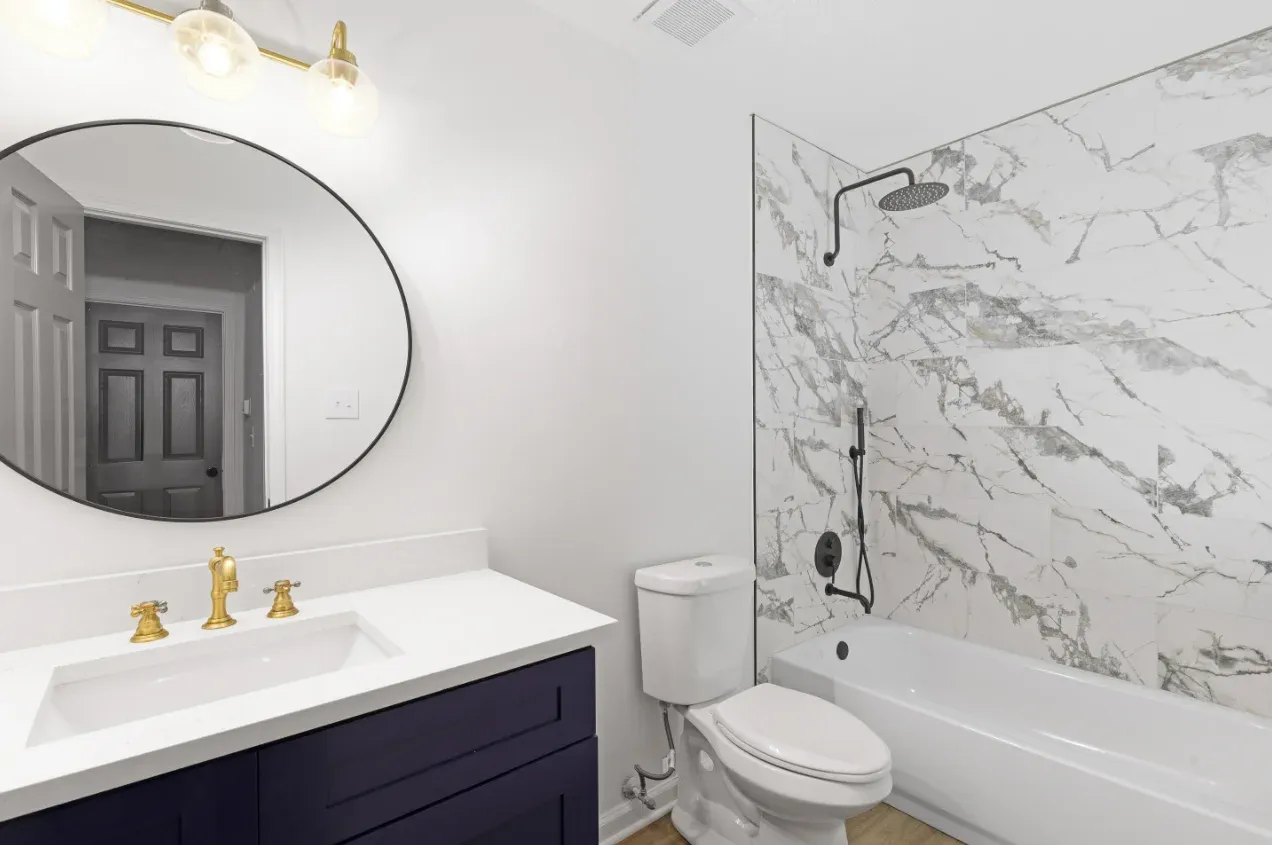
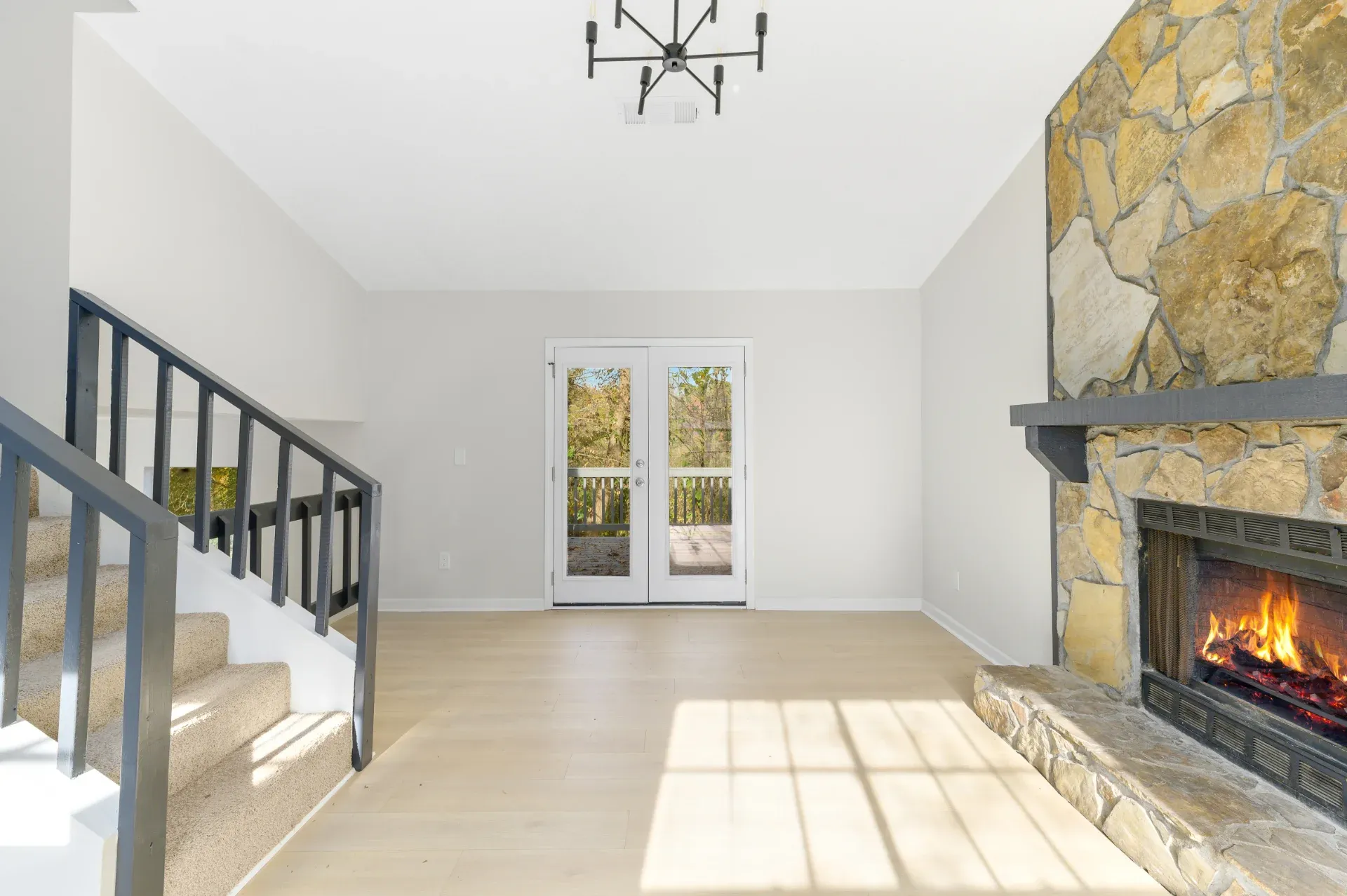
The photos on this page came from our own jobs, and so does everything in the gallery. Browse it by project type. You will find tear-off and site work in there too, the parts most contractors leave out.
What gets inspected
Anything structural, most mechanical work, and every addition. We pull the permits, schedule the inspections and are on site for them.
Contractors who work around permitting are avoiding scrutiny, and the scrutiny is the point. The details inspectors look hardest at are the ones that cause real failures.
It also protects you later. Unpermitted work surfaces at the worst possible moment, which is usually when you are selling or making a claim.
Who you will be dealing with
You deal with the same people from the first walkthrough through the final punch list. There is no handoff from a salesperson to a project manager to a crew who have never seen the file.
Igor runs the jobs from the site. If something needs a decision, it gets made by someone standing in the room looking at the actual condition.
We keep the number of simultaneous projects deliberately low. It is the entire reason the company exists and it is not something we are planning to grow out of.
Specifying the job
Homeowners spend a lot of time choosing tile and fixtures. The products that decide how long a remodel lasts are the ones underneath, the underlayment and the waterproofing, and almost nobody asks about those.
So we specify the hidden layers to a standard and let the visible layers follow your budget. That is not a sales position, it is just where the risk actually sits.
If you have already bought materials, bring us in before installation rather than after. Some products are much harder to install well than others and it is better to know in advance.
After we finish
The end of the job includes a walkthrough where we go over what was done and what it needs from you, which is usually not much.
The parts worth attention are the wet joints, the exterior drainage and anything that moves. Everything else is built to be left alone.
If something needs looking at later, call. Knowing what is behind the finish is worth something, and we do.
Where this is
Questions people ask
Will we be able to live in the house during the work?
For a one-room project, almost always. Larger additions and full home remodels can make daily life rough, so we look at your situation during the walkthrough and tell you honestly whether staying will work.
Do you handle permits?
Yes. If the work requires a permit, we pull it and we schedule the inspections. That covers structural changes, additions, and most electrical or plumbing relocation.
How long does a project like this take?
It depends on scope and on what we find when we open things up. A single bathroom is usually a few weeks; a full home remodel runs months. We give you a real schedule after the walkthrough, and we tell you when it moves.
What happens if you find something unexpected?
You hear about it the day we find it, with photos and a plan. Nothing gets covered back up without you knowing what is behind it.
How do we get started?
Most people start with a phone call to (678) 665-7771. Some prefer the contact page. Both get you a walkthrough at no cost, and a sales pitch is not part of it.
Who is actually on site?
Igor, along with the crew that started your job. He works on site instead of managing a dozen projects from a phone, which is the whole reason the company is kept small.
Let us come look at your Berkeley Lake project
The walkthrough is free and Igor does it himself. Set it up at (678) 665-7771 or through the contact page. He left a company doing about five hundred remodels a month because the work got worse as the numbers went up, and that is why we cap how many jobs we run at once.