
5 services
Home Remodeling in the north metro
Whole-house remodels, additions, basements, ADUs and garage conversions.
How we approach it
This is the larger end of what we do: whole houses, additions, basements, garage conversions and accessory units. The common thread is that they all involve structure, permits and inspections.

They also all involve finding things. Open up an older house and it will show you what previous decades did to it. We plan for that rather than treating every discovery as a crisis.
Everything under home
Each of these is its own page with the detail that matters.

What we check before we start
Whole-house work follows a fixed order for good reasons. Structural and framing corrections first, then rough mechanical, electrical and plumbing, then insulation and drywall, then finishes from the top down so nothing finished gets damaged by what comes after.
That is the pattern across this whole category. The visible work is the easy part; the question is always what it is going on top of, and whether anyone looked.
What goes wrong in home work
Every one of these is something we have been called in to fix after somebody else did the job. They are the reason the sequence above matters.
Full Home Remodels
Starting finishes before the rough work is inspected and signed off. Anything that fails inspection afterward comes back out through the finish.
Home Additions
A roof tie-in flashed as an afterthought. Every addition leak we have been called to fix started at that joint.
Basement Remodeling
Framing tight against a foundation wall with no vapor control. It looks fine for two years and then it smells.
ADU Installation
Designing before checking local zoning. Setbacks and maximum unit size vary enough across these counties to make a plan unbuildable.
Garage Remodeling
Converting without solving conditioning. The room is unusable half the year and it shows up as a negative at resale.
How a job actually runs
We walk the space with you
Igor comes out, looks at what is actually there, and talks through what you want. No sales pitch, no pressure to decide that day. You get a straight read on what the job involves and what it will take.
We open it up and deal with what we find
Demolition tells the truth about a house. Rot, bad framing, plumbing someone improvised in 1985. We show you what turns up and how we plan to handle it before we cover any of it back up.
We build it and keep you in the loop
You know who is coming and when. The site gets cleaned at the end of the day. If something changes, you hear it from us before you notice it yourself.


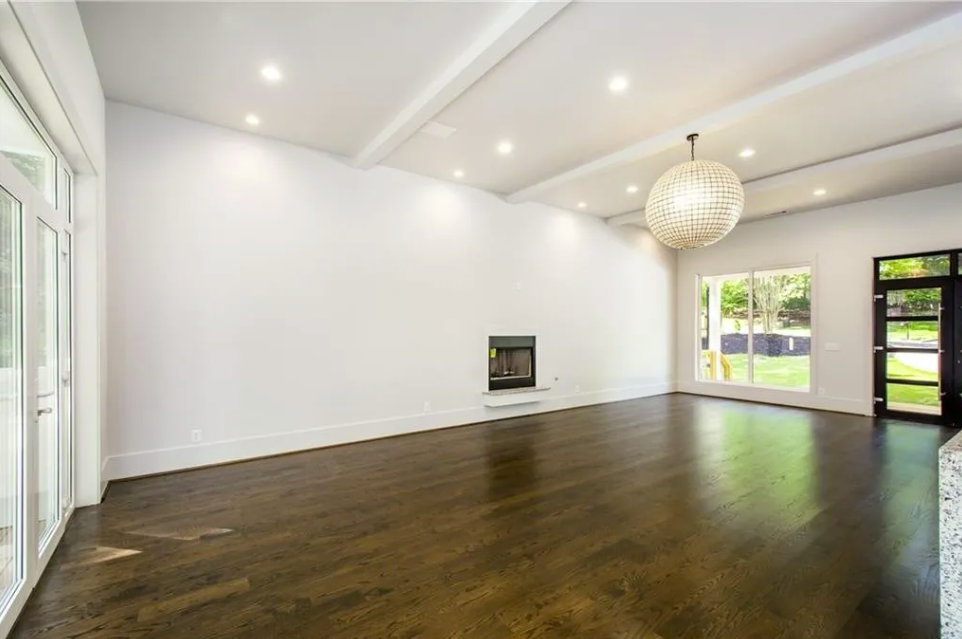
What moves the number on a job like this
Ask ten contractors for a ballpark over the phone and you will get ten guesses. We skip that and quote after the walkthrough. In the meantime, these are the factors that matter most, so you can start thinking about scope now.
Moving plumbing or electrical is the big one. Fixtures staying where they are keeps a job contained; relocating a drain or running a new circuit means opening walls, floors or ceilings and pulling the trades back in.
The condition of the house is next, and it outweighs product choices by a wide margin. If previous owners kept up with maintenance, the work goes faster. If they did not, the time goes into fixing what we find before the new work can start.
Who you will be dealing with
You deal with the same people from the first walkthrough through the final punch list. There is no handoff from a salesperson to a project manager to a crew who have never seen the file.
Igor runs the jobs from the site. If something needs a decision, it gets made by someone standing in the room looking at the actual condition.
We keep the number of simultaneous projects deliberately low. It is the entire reason the company exists and it is not something we are planning to grow out of.

Specifying the job
When a remodel fails early, the cause is usually something you never saw. The finish gets all the attention, while the membrane and the underlayment do the real work of keeping it sound for the next ten years.
So we specify the hidden layers to a standard and let the visible layers follow your budget. That is not a sales position, it is just where the risk actually sits.
If you have already bought materials, bring us in before installation rather than after. Some products are much harder to install well than others and it is better to know in advance.
What the schedule actually looks like
We give you a real schedule after the walkthrough, and we tell you when it moves. Most schedule slippage in remodeling comes from two places: material lead times and things found during demolition.
Lead times we manage by ordering early. Cabinets, windows, specialty tile and anything custom gets ordered before demolition where the sequence allows, so you are not living in a half-finished room waiting on a delivery.
Discovery we manage by budgeting time for it. On any house over about twenty years old, something turns up. Planning as though nothing will is how projects end up months late with everyone frustrated.
Where this is
Questions people ask
What does a full home remodel actually include?
Usually every finish surface, the kitchen and baths, often the flooring throughout, and whatever framing, electrical and plumbing corrections the house needs along the way.
Is it cheaper to remodel or to add on?
Reworking existing square footage is almost always less expensive than adding new. An addition means foundation, framing, roof and envelope before you get to any finishes.
Can you finish a basement that was left unfinished?
That is a large share of what we do north of the river. Egress, moisture control and ceiling height are the three things that decide how the space can be used.
Do you handle permits?
We do. Anything that changes structure, adds space or moves most plumbing and electrical needs a permit, and we take care of the application and the inspections so you do not have to.
What happens if you find something unexpected?
We stop and show you, the same day, with photos and our plan for fixing it. Nothing goes back behind drywall until you know what is there.
Will we be able to live in the house during the work?
Usually, if the work is limited to one room. Whole-house remodels and big additions are a different story, and Igor will give you a straight answer at the walkthrough about whether moving out makes sense.
Thinking about home work?
Give us a call at (678) 665-7771 or write to us through the contact page. Igor will walk the project with you and tell you honestly what it takes. We keep our workload deliberately limited, so if we cannot start soon, you will hear a real date from us instead of a vague promise.