

Exterior Remodeling
Deck Installation done properly
Decks fail at the ledger, almost every time, and it is entirely preventable.
What this work involves
The ledger is the board bolting the deck to the house. It has to be through-bolted or lagged into the rim joist, flashed above and behind so water cannot sit in the joint, and never attached to just the siding or a brick veneer.

Footings go below frost depth and are sized for the load. Posts bear on the footing rather than in the soil, and the post-to-beam and beam-to-joist connections use rated hardware rather than toe-nails.
Decks are permitted and inspected here, which is a good thing. The inspection catches exactly the details that cause collapses.
The sequence on a job like this
- Footings below frost depth, sized to the load
- Ledger through-bolted to the rim joist and flashed above and behind
- Rated connectors at post, beam and joist connections
- Decking, railings to code height and spacing, stairs with consistent risers
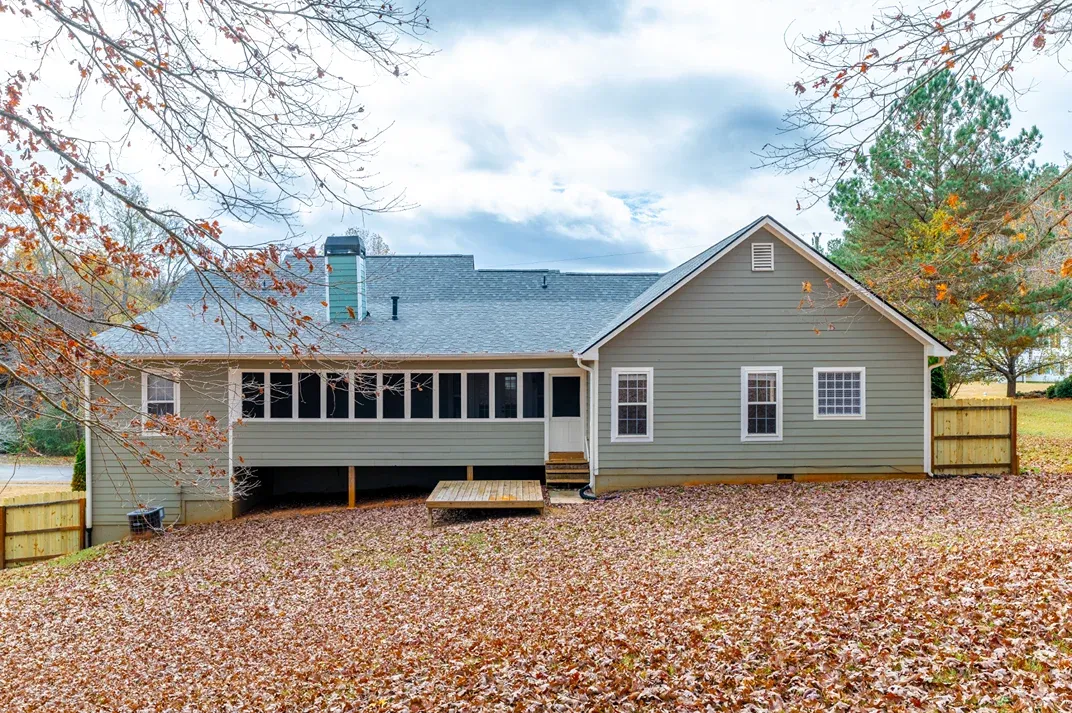
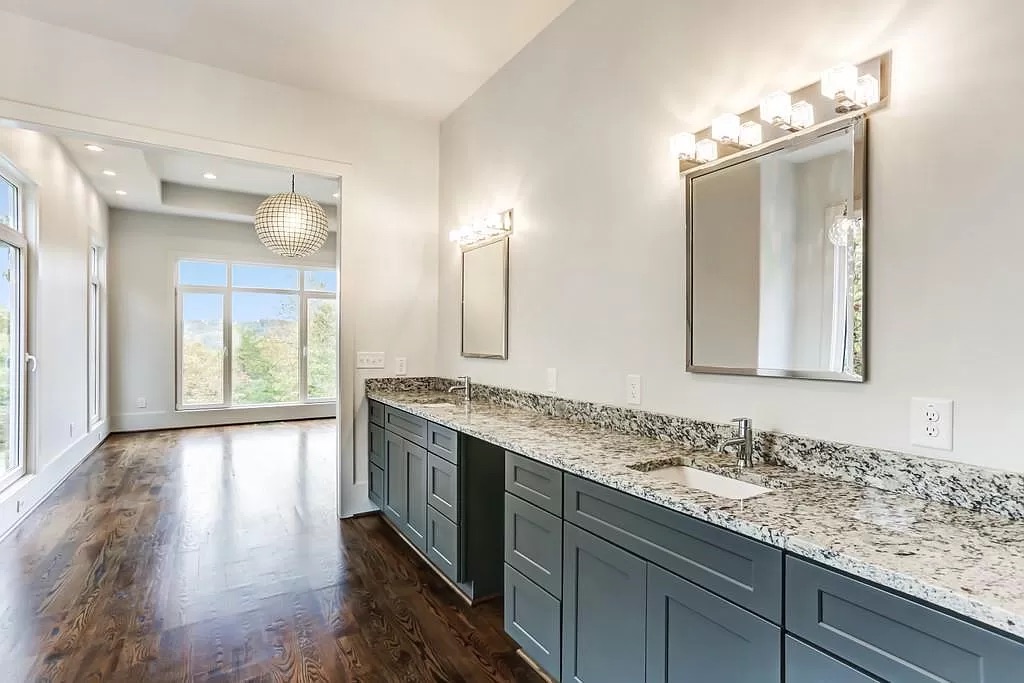
What we look at before quoting deck installation
Every deck installation job starts the same way: we look at what the new work has to sit on. Decks are permitted and inspected here, which is a good thing. The inspection catches exactly the details that cause collapses.
Doing that early protects the number we give you. A quote built on a quick glance tends to grow once walls come down, and we would rather spend the extra time at the start than hand you a change order later.
Worth knowing
The thing that usually goes wrong
A ledger lagged through siding into nothing structural. That is the failure mode that puts decks in the news.
Most of what separates good work from adequate work is buried by the time the job is done. The substrate under the floor, the studs behind the drywall, the decking under the roof. Those are the parts that decide how the finish holds up, and they are the parts a fast crew skips.
A free walkthrough is the easiest way to find out where yours stands. Book one at (678) 665-7771 or through our contact page. Igor does them himself and does not dress up the answer.
Other exterior work
All of it is on the exterior remodeling services page.
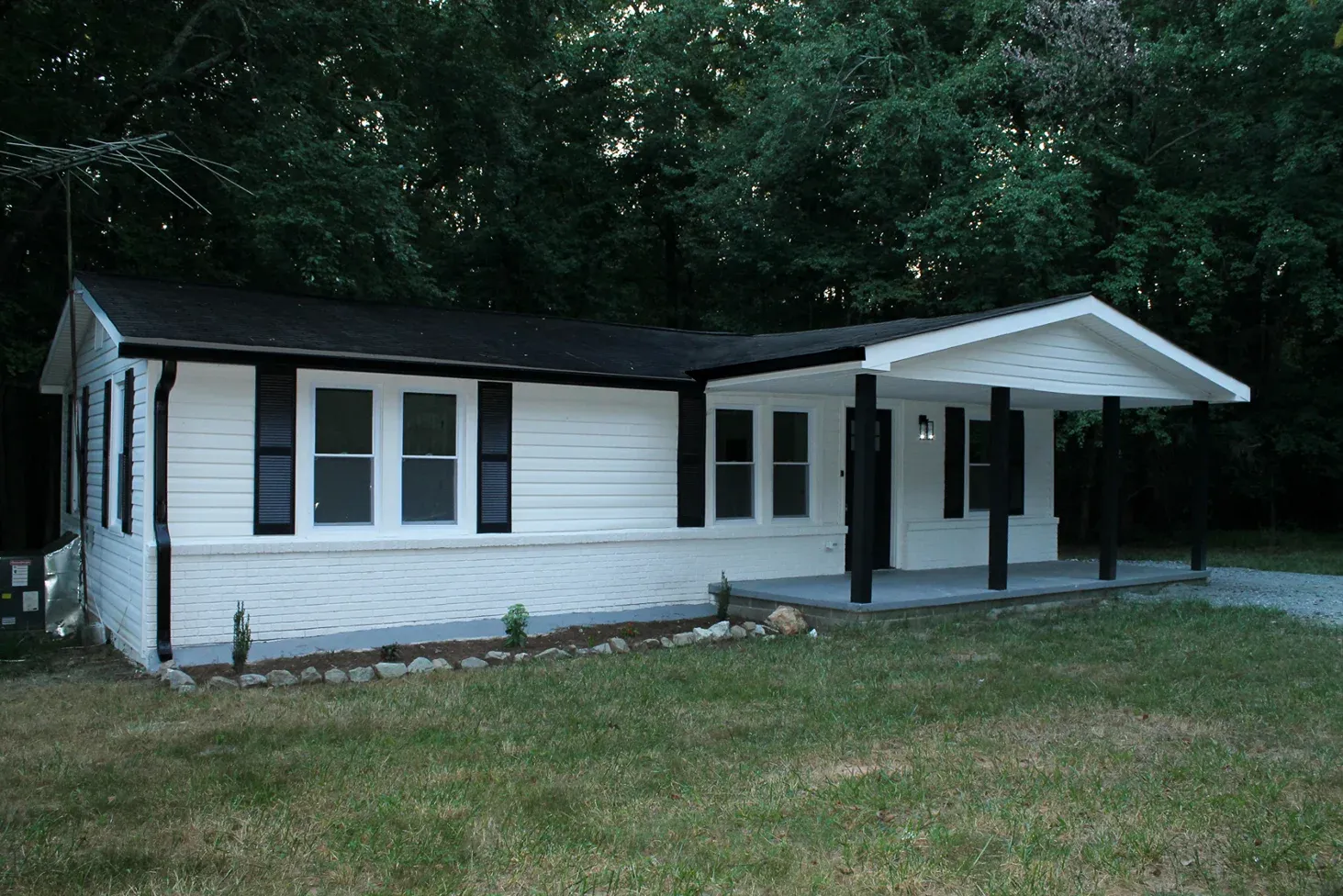
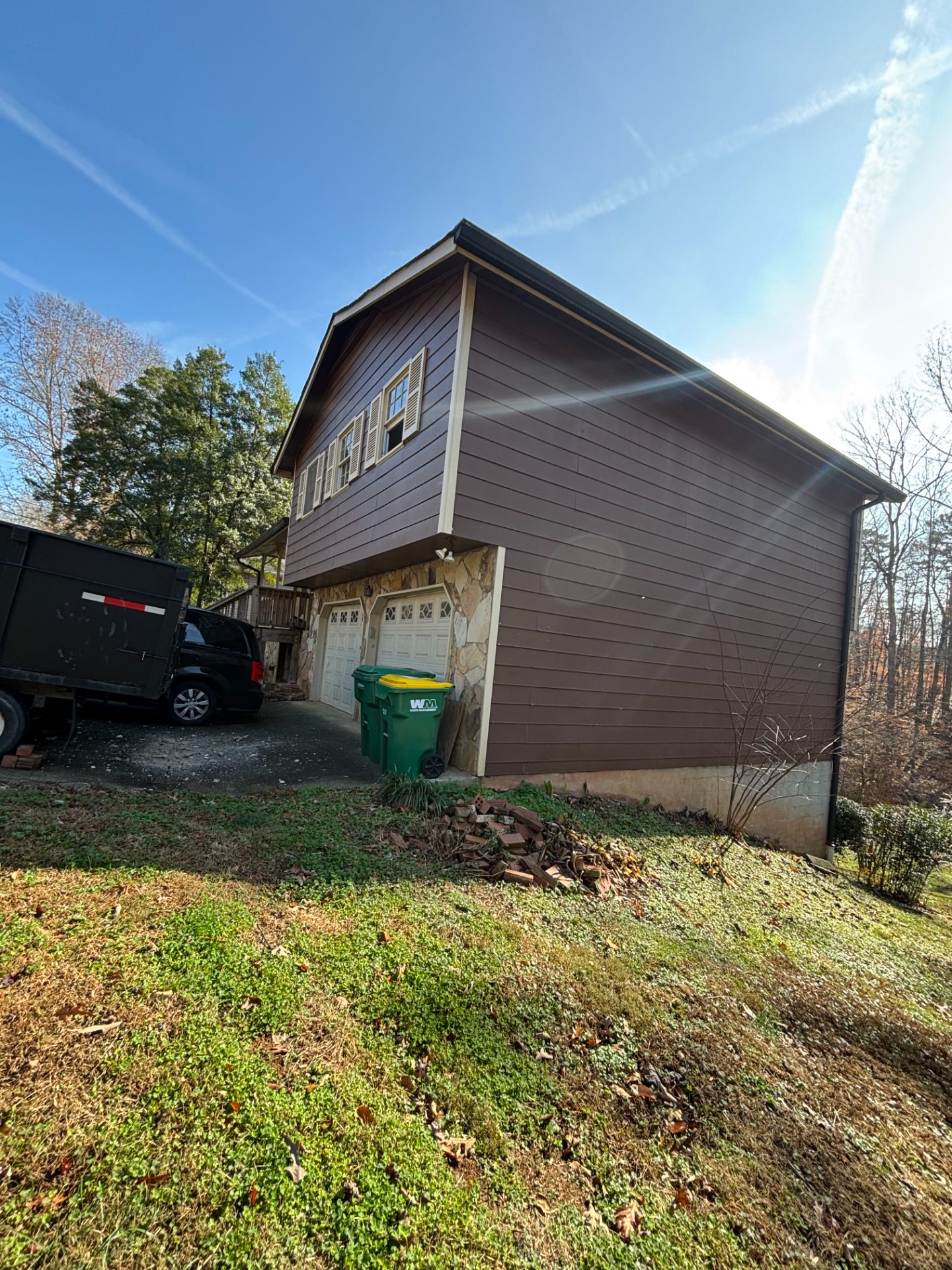
Where we do this work
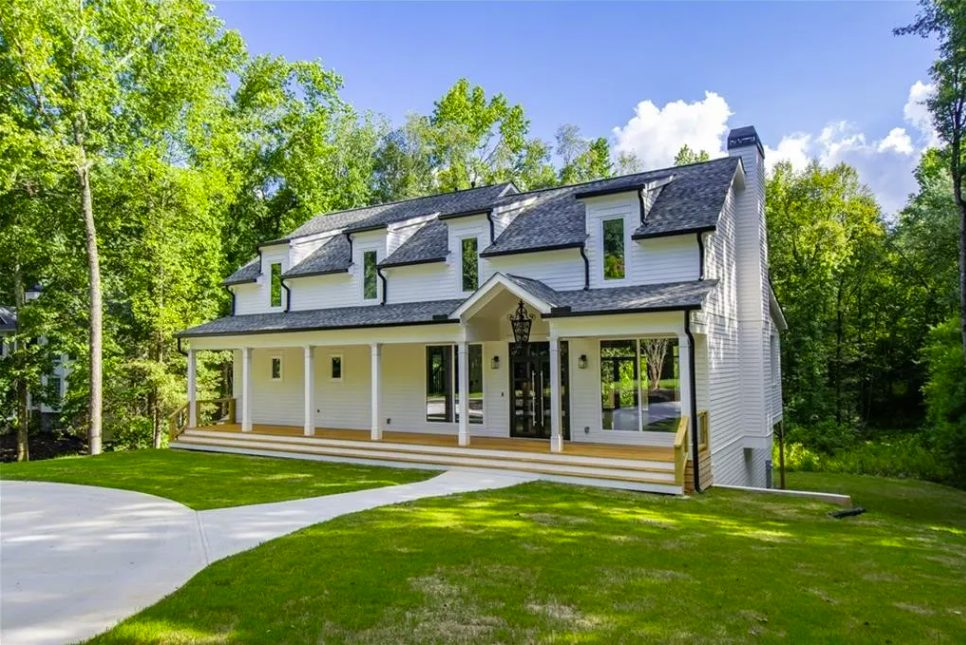
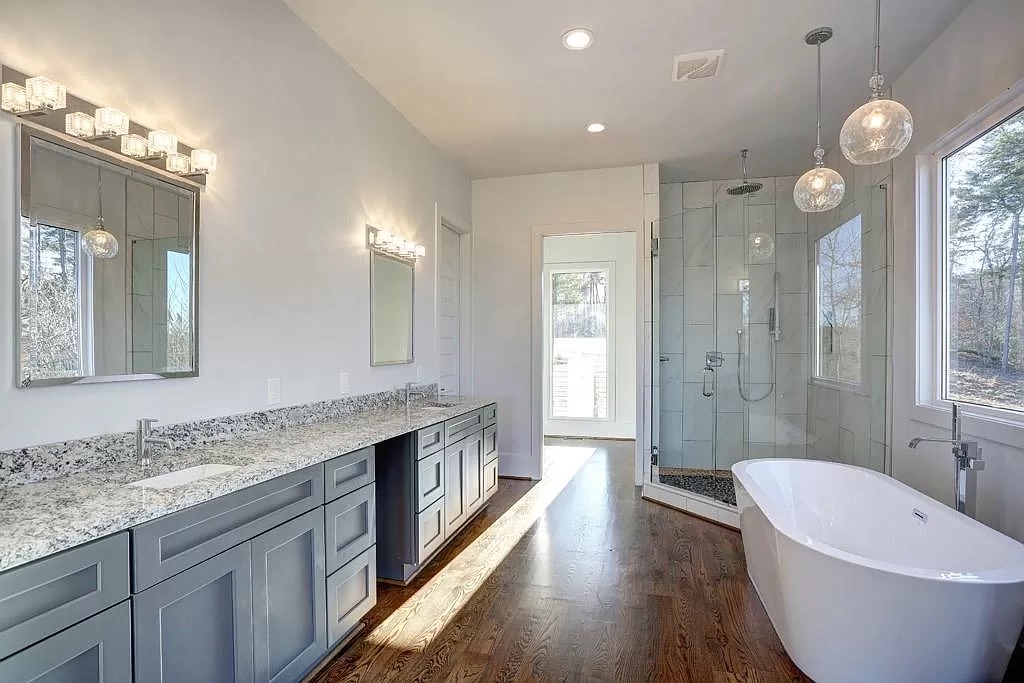
From our base in Roswell we work across Fulton, Cobb, Cherokee, Forsyth, Gwinnett and DeKalb counties. Alpharetta, GA, Marietta, GA and Woodstock, GA are on the list, and the service areas page has the other thirty-nine cities.
Have a look at the gallery for finished work, or call (678) 665-7771 and we will come out.
Where the money actually goes
Cost is the first question most people have, and it deserves a real answer. That answer comes after we have stood in the space. A phone quote would only be a guess that changes later.
The largest variable is almost always whether things move. Keeping the layout keeps the mechanical work small. Changing it means drains, vents, circuits and often framing.
The other big unknown is what sits behind the finishes. We check as much of it as we can before the quote, so fewer of those findings arrive as surprises later.
The permitting side
We handle permits and inspections as part of the job rather than treating them as your problem.
The rules here are not uniform. Six counties means six sets of requirements, and on top of that individual cities within them have their own. We work out what applies before design gets far.
Inspections are useful. They catch exactly the details that cause failures later, and an inspector looking at a ledger connection or a rough electrical run is a second set of eyes we are happy to have.
Working with a small shop
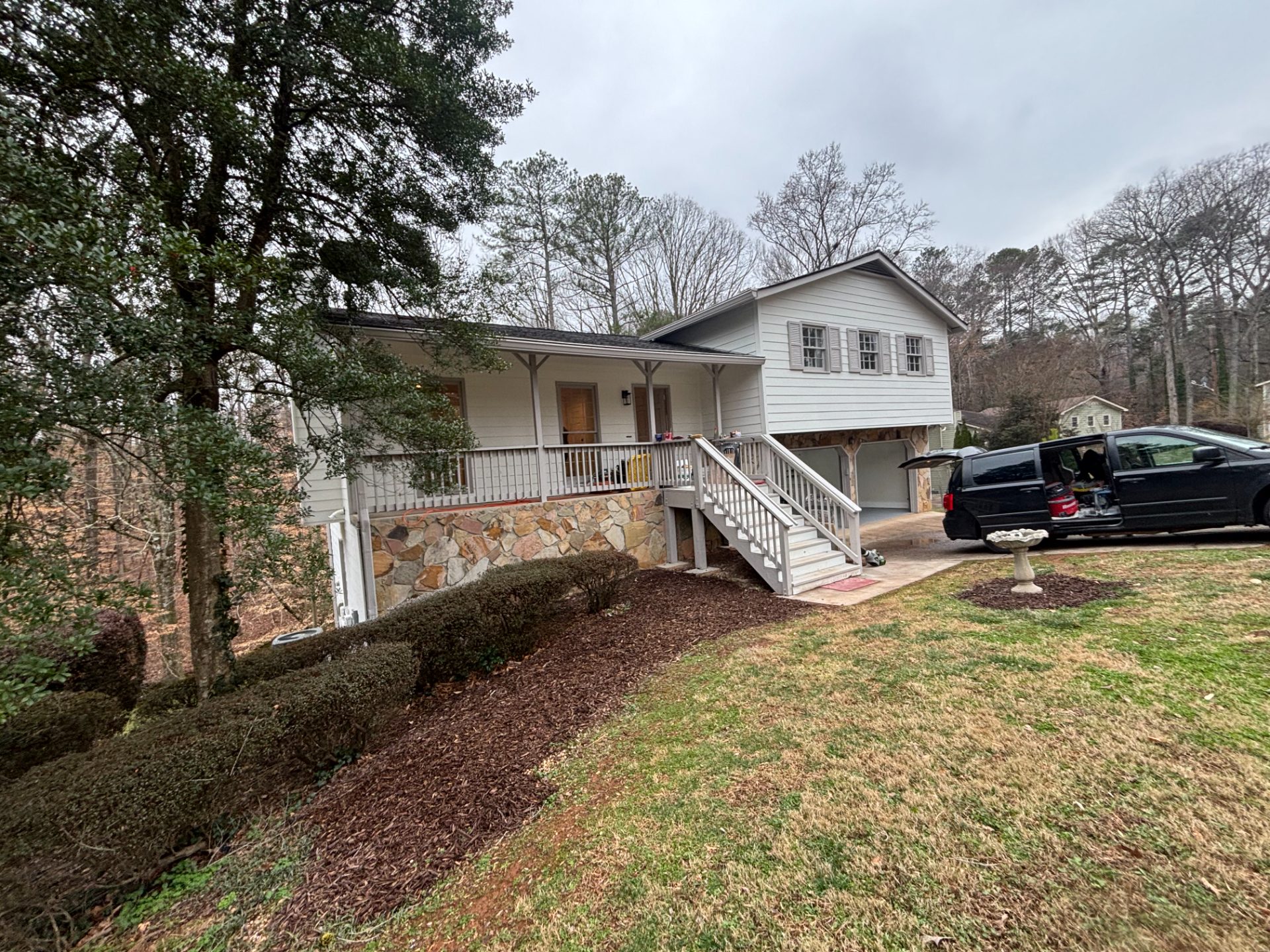
The main thing you notice is that nothing gets lost in translation. Igor is at the house, so when you ask why something is being done a certain way, you get the answer from him directly.
Size also decides how many projects we accept. Igor watched a high-volume shop book more than its crews could do well, so overbooking is the one habit we avoid. When we are full, you get the truth and a date we can actually hit.
The crew that starts your project finishes it. That continuity matters more than most people expect on work that runs for weeks.
Looking after the work
A finished remodel is not maintenance free, but the list is short and most of it is easy.
In a bathroom or kitchen, the joint between materials is what moves, so its sealant is what needs checking. Siding, decks and roofing need clear drainage. Fans and anything with a filter just need cleaning.
When the work is done, we walk you through the upkeep in person. Later on, if a joint opens up or something behaves strangely, let us know and we will come look.
Questions people ask
Why do decks collapse?
The ledger, nearly every time. A board lagged through siding into nothing structural holds until the day it is loaded, and that is the failure mode that makes the news.
Does a deck need a permit?
Here, yes, and that is a good thing. The inspection looks hardest at exactly the connections that fail.
How do I know if siding needs replacing or just paint?
If it is soft anywhere, or you have visible seam separation, paint is buying you a year. We can tell you which one you are looking at from a walkthrough.
Will we be able to live in the house during the work?
For most single-room projects, yes. Full home remodels and larger additions are harder, and we will tell you honestly at the walkthrough whether staying is realistic.
How do we get started?
Reach us at (678) 665-7771 or through the contact page. We will find a time to see the space in person. There is no charge for that visit and nobody will lean on you to sign.
How long does a project like this take?
It depends on scope and on what we find when we open things up. A single bathroom is usually a few weeks; a full home remodel runs months. We give you a real schedule after the walkthrough, and we tell you when it moves.
Let us take a look at your deck installation project
The walkthrough is free and Igor does it himself. Set it up at (678) 665-7771 or through the contact page. He left a company doing about five hundred remodels a month because the work got worse as the numbers went up, and that is why we cap how many jobs we run at once.