

Service areas
Where we work
Out of Roswell, about 25 miles in every direction. Six counties, forty-three cities, all of it inside the north metro.
Fulton County, GA
Housing here runs from prewar cottages near the Roswell square to nineties subdivisions and new infill on the Alpharetta side. The older stock usually needs framing and plumbing corrections before anything decorative happens.
Cobb County, GA
Cobb is mostly eighties and nineties construction with a lot of original bathrooms and kitchens still in place. Those houses tend to have good bones and finishes that are now well past their service life.
Cherokee County, GA
North of the river the lots get bigger and the houses newer, with a lot of two-thousands construction and a fair amount of unfinished basement space that owners eventually want to use.
Forsyth County, GA
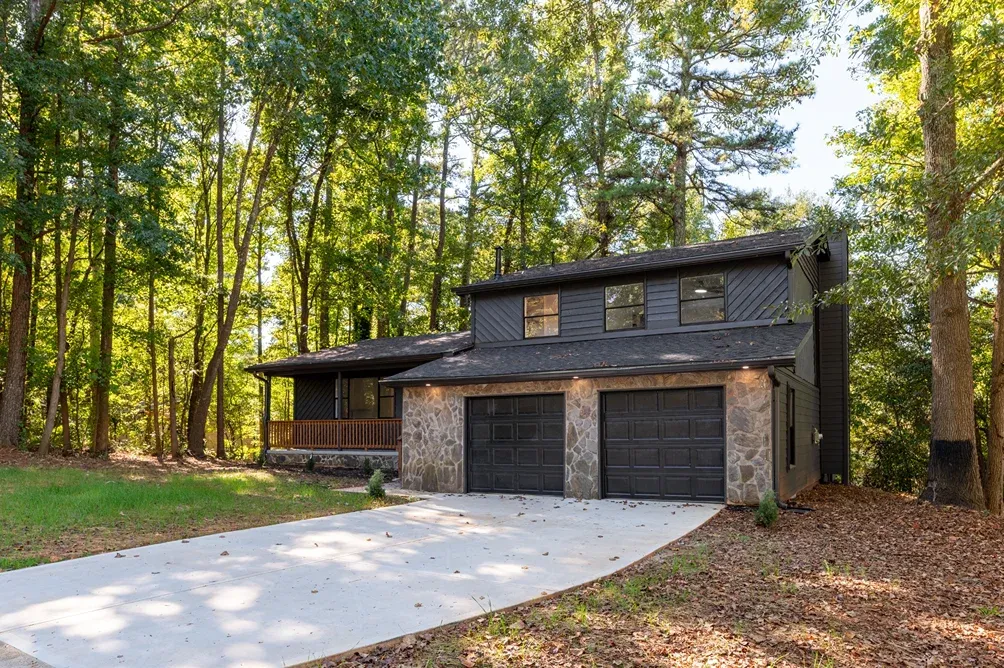
Forsyth grew fast and grew recently, so much of the work here is finishing space that was framed but never completed, or updating builder-grade finishes in houses under twenty years old.
Gwinnett County, GA
Gwinnett has some of the widest range in the metro, from seventies ranches to recent construction. The ranches in particular respond well to opening up a wall or two.
DeKalb County, GA
Inside the perimeter the houses are older and smaller, and the work is usually about making an existing footprint function better rather than adding to it.

What the north metro asks for
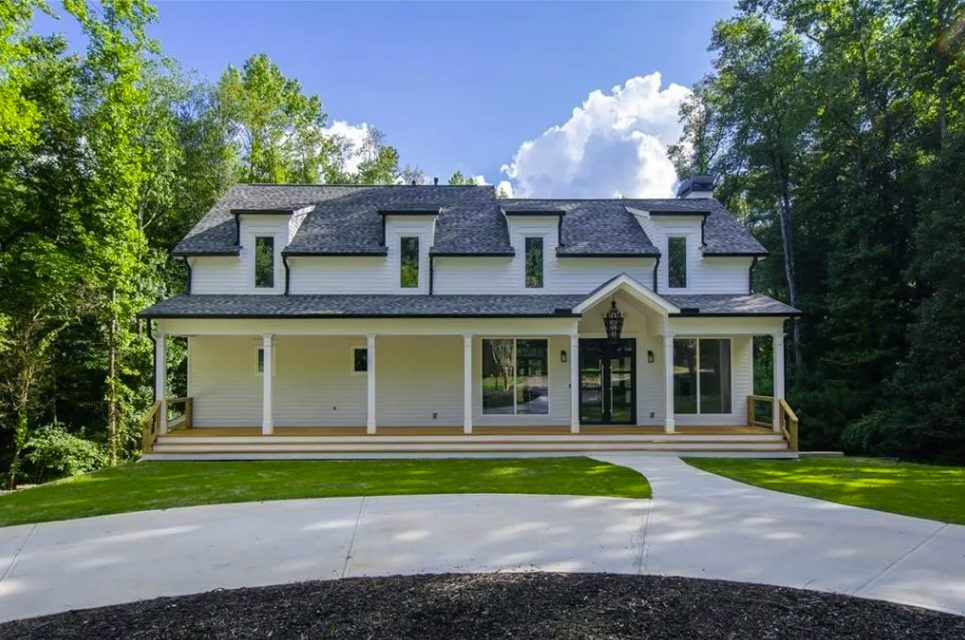
The housing stock across these six counties spans about eighty years, and the work changes with it. Inside the perimeter you are dealing with plaster, original trim profiles and systems that have been patched by five owners. Out past the river it is mostly newer construction where the structure is sound and the finishes are dated.
Basements are the north metro’s defining opportunity. An enormous number of houses in Cherokee, Forsyth and north Gwinnett were built with basements that were framed and then left, and finishing that space is the cheapest square footage anyone will ever add.
Georgia weather, specifically
Heat and humidity age asphalt roofing faster than cold does, summer storms find every flashing detail that was rushed, and red clay moves enough to matter for footings and drainage. Exterior work here gets specified for that rather than for a catalog average.
Where the money actually goes
Cost is the first question most people have, and it deserves a real answer. That answer comes after we have stood in the space. A phone quote would only be a guess that changes later.
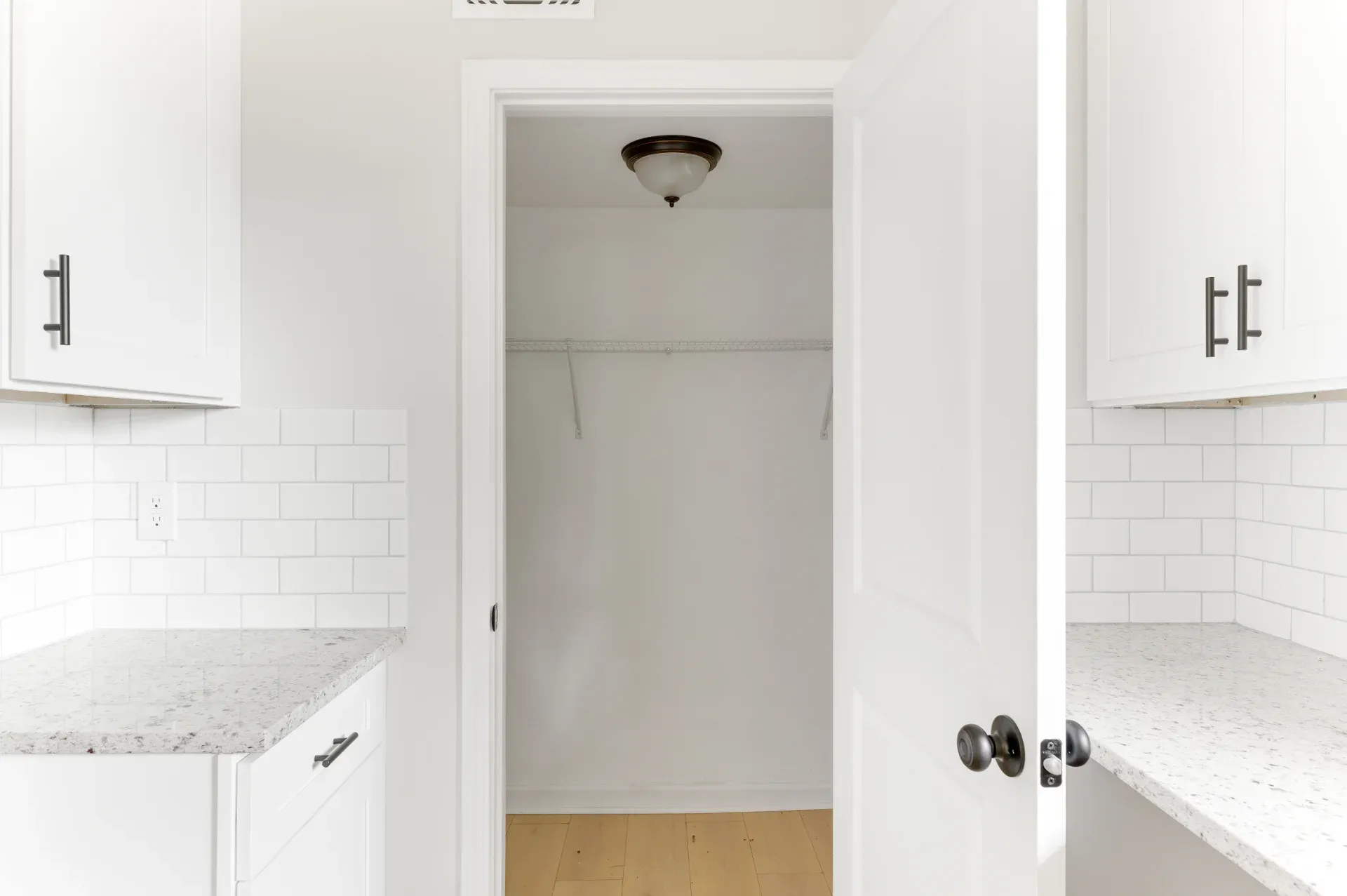
The largest variable is almost always whether things move. Keeping the layout keeps the mechanical work small. Changing it means drains, vents, circuits and often framing.
Then there is what we find once the walls are open. We look at everything we can before quoting, because the walkthrough is the cheapest place to discover a problem.



Timeline and disruption
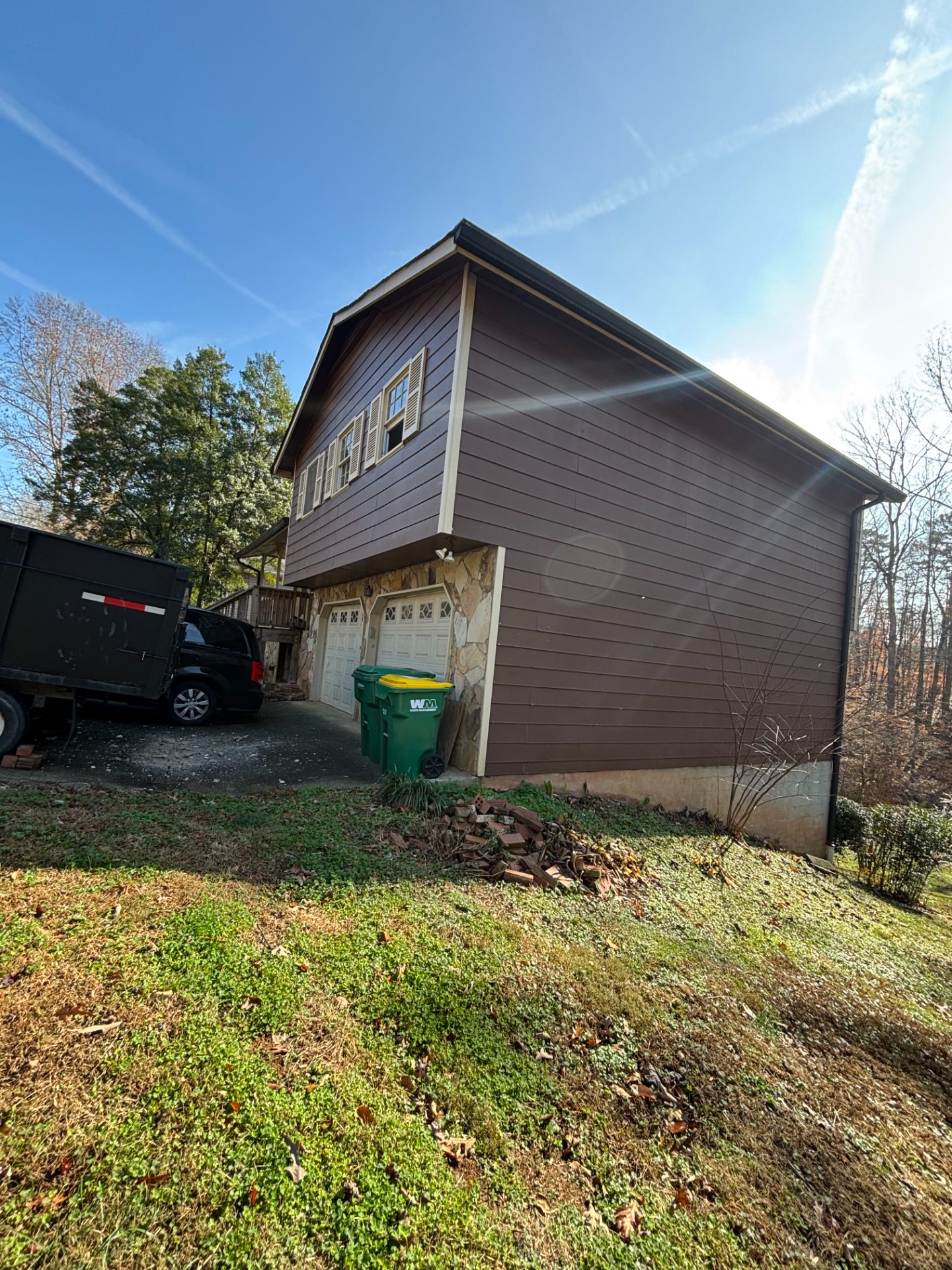
Remodeling is disruptive, and pretending otherwise helps nobody. What we can control is whether it is predictable.
You get a schedule with real dates, the same crew throughout, and a heads up when anything shifts. Materials are ordered ahead of demolition so waiting happens before your house is open rather than during.
The site gets swept at the end of each day and dust control goes up before the work starts, not after somebody complains.

Who you will be dealing with
You deal with the same people from the first walkthrough through the final punch list. There is no handoff from a salesperson to a project manager to a crew who have never seen the file.
Igor runs the jobs from the site. If something needs a decision, it gets made by someone standing in the room looking at the actual condition.
We keep the number of simultaneous projects deliberately low. It is the entire reason the company exists and it is not something we are planning to grow out of.
Permits and inspections
Structural changes, additions, most electrical and plumbing moves, decks and roofs all get permitted where the jurisdiction requires it. We pull them and we meet the inspectors.
Requirements vary across the six counties we work in, sometimes noticeably. What needs a permit in one jurisdiction may not in the next, and setback and zoning rules differ enough to change what is buildable on a given lot.
Unpermitted work causes problems at resale and at insurance claim time. It is not worth the saving, and a project that a contractor wants to keep off the books is telling you something.
Where this is
Questions people ask
How long does a project like this take?
We will not give you a timeline over the phone, because the honest answer depends on what is behind the walls. Once we have walked the job, you get dates. A single bathroom tends to land in the few-weeks range, and full remodels take months.
Do you handle permits?
Yes. If the work requires a permit, we pull it and we schedule the inspections. That covers structural changes, additions, and most electrical or plumbing relocation.
How do we get started?
Most people start with a phone call to (678) 665-7771. Some prefer the contact page. Both get you a walkthrough at no cost, and a sales pitch is not part of it.
Will we be able to live in the house during the work?
For most single-room projects, yes. Full home remodels and larger additions are harder, and we will tell you honestly at the walkthrough whether staying is realistic.
Who is actually on site?
The people you met at the walkthrough. Igor stays hands-on, so when you have a question at the job site, the answer comes from someone holding the tools.
What happens if you find something unexpected?
You find out that day. Old houses hide things, and when we open a wall and find one, we send pictures and tell you what we recommend before any work continues on it.
We are probably on a job near you this week
The walkthrough is free and Igor does it himself. Set it up at (678) 665-7771 or through the contact page. He left a company doing about five hundred remodels a month because the work got worse as the numbers went up, and that is why we cap how many jobs we run at once.